Akar Rumput Font: Bold Design for Authentic Impact
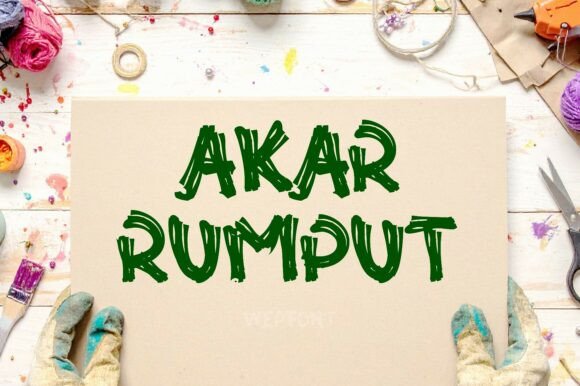
In a digital landscape often dominated by clean sans-serifs and perfectly geometric typefaces, there is a growing hunger for design that feels human, tactile, and unapologetically raw. Akar Rumput answers this need with a distinctive, handwritten display font that captures a spirit of rebellion and organic energy. Its characters feature an ink-brushed, textured appearance with irregular lines and varying stroke widths, mimicking the spontaneous feel of a marker or brush dragged across a rough surface. For designers, marketers, and creators seeking to break away from sterile aesthetics, this typeface offers a powerful tool for visual storytelling.
The name itself hints at its nature. "Akar Rumput" translates roughly to grassroots or roots, suggesting something foundational, wild, and growing from the ground up. This isn't a font for corporate annual reports or luxury spa branding. It is a typeface for the streets, the studio, and the stage. Understanding how to leverage its unpolished boldness requires looking beyond basic typography rules and embracing the imperfections that make it so effective.
The Psychology of Imperfection in Modern Branding
Why does a jagged, uneven font resonate so strongly with contemporary audiences? The answer lies in authenticity. Consumers, particularly those in the 20–50 demographic, have developed a radar for over-produced content. When a design looks too perfect, it can sometimes feel manufactured or insincere. Akar Rumput disrupts this pattern. Each letter carries a unique, organic quality that prevents the text from looking mass-produced.
This handmade aesthetic instantly adds personality to any layout. It signals to the viewer that a human being was involved in the creation process. For brands built on values of sustainability, local craftsmanship, or artistic integrity, this font acts as a visual shorthand. It communicates urgency and creativity without needing explicit explanation. However, this expressiveness demands respect. Because the font is so loud visually, it works best when given space to breathe. Crowding it with other decorative elements dilutes its impact; let the texture of the strokes do the heavy lifting.
Strategic Applications Across Industries
Versatility within niche themes is where Akar Rumput truly excels. While it lacks the neutrality required for formal contexts, it dominates in sectors that value edge and emotion. Here is how different professionals can adapt this typeface for specific goals:
- Streetwear and Apparel: Fashion brands targeting urban or alternative demographics can use Akar Rumput for garment tags, chest prints, or campaign overlays. The font’s rough edges mirror the texture of heavyweight cotton or distressed denim, creating a cohesive sensory experience between the print and the fabric.
- Music and Entertainment: This is perhaps the most natural home for the typeface. Album art for rock, punk, indie, or hip-hop projects benefits from the aggressive, energetic line work. Concert posters utilizing Akar Rumput stand out on social media feeds because they look like zines or wheat-paste flyers rather than polished digital ads.
- Independent Publishing and Zines: For editors and publishers focusing on counter-culture, poetry, or political commentary, this font reinforces the DIY ethos. It pairs exceptionally well with high-contrast black and white photography or collage-style layouts.
- Artisanal Food and Beverage: Craft breweries, hot sauce makers, and street food vendors can use it to signal bold flavors and non-traditional recipes. The "marker-on-surface" vibe suggests a product that is small-batch and made with intense passion.
Balancing Raw Energy with Readability
A common pitfall when working with highly expressive display fonts is sacrificing legibility for style. Akar Rumput is designed for headlines, titles, and short bursts of text, not body copy. To keep your results clear and effective, you must establish a strong typographic hierarchy.
Pair Akar Rumput with a neutral, highly readable sans-serif or monospace font for supporting information. The contrast between the chaotic energy of the headline and the structured stability of the body text creates a professional tension that guides the eye. For example, if you are designing a festival poster, use Akar Rumput for the band names and event title, but switch to a clean grotesque typeface for dates, venue details, and ticket prices. This ensures the design remains audience-friendly and functional while retaining its edgy appeal.
Color choice also plays a critical role in maintaining clarity. Because the font already possesses significant internal texture and noise, using complex gradients or busy backgrounds can cause the letters to vibrate or disappear. Solid, high-contrast color combinations usually yield the best results. White text on a dark charcoal background, or black ink on uncoated cream paper, allows the intricate brush details to remain sharp and distinct.
Digital Adaptation and Platform Considerations
Translating a textured, analog-feeling font into digital spaces requires technical mindfulness. On screens, especially mobile devices, fine details can get lost or aliased poorly. When using Akar Rumput for web headers or social media graphics, test extensively at various sizes. You may need to increase tracking (letter spacing) slightly more than you would with a standard font to prevent the textured edges of adjacent characters from merging into an illegible blob.
For video content and motion graphics, this font introduces a dynamic element. Kinetic typography using Akar Rumput should embrace jitter and shake rather than smooth, bezier-curve animations. The movement should match the medium; if the font looks like it was scrawled in haste, the animation should feel equally urgent and stop-motion inspired. This consistency between form and motion strengthens the narrative impact of video essays, lyric videos, or promotional reels.
Cultivating a Distinctive Visual Voice
Ultimately, choosing Akar Rumput is a decision to prioritize voice over polish. It is a declaration that the message matters more than the finish. For freelancers and agency designers, recommending this typeface to a client is a strategic move to differentiate their brand from competitors playing it safe. It resonates with younger audiences and those with an alternative mindset because it rejects the algorithmic perfection of AI-generated imagery and template-based design.
However, originality comes from application, not just selection. Avoid using the font in its default state for every project. Experiment with layering, masking, or combining it with physical textures like paper grain or concrete scans to ground it in a specific environment. Treat the digital file as a starting point for further customization. By adapting Akar Rumput to fit the specific contours of your project, you ensure that the rebellious spirit of the typeface serves your unique creative vision rather than becoming just another trend.
Whether you are launching a new indie label, rebranding a community organization, or designing merchandise for a grassroots movement, Akar Rumput provides the typographic grit necessary to make a lasting impression. It reminds us that in design, as in life, the most memorable marks are often the ones made by hand, with intent, and without fear of making a mess.