Evaluating Book Santa: A Whimsical Display Font for Creative Projects
Selecting the right typography is often the most critical decision in establishing the visual tone of a design project. For designers, event planners, and hobbyists seeking a specific blend of nostalgia and playfulness, Book Santa has emerged as a notable option within the handwritten display font category. This typeface is characterized by its effervescent charm and friendly aesthetic, making it a frequent subject of evaluation for projects requiring a personal, magical touch. Understanding the functional capabilities and limitations of Book Santa is essential for determining whether it aligns with your specific creative goals or if an alternative solution would better serve your needs.
Defining the Book Santa Aesthetic
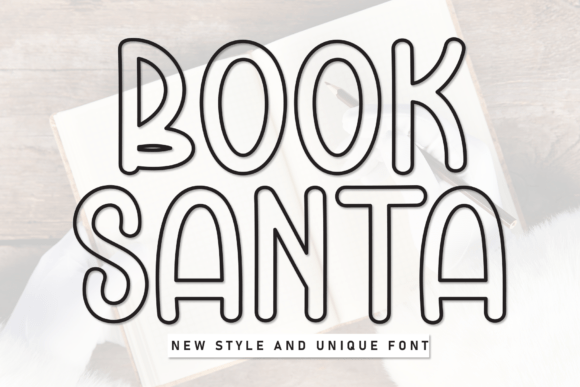
Book Santa is classified as a handwritten display font, meaning it mimics the organic irregularities of human penmanship while being optimized for headlines, titles, and short bursts of text rather than extended reading. The design language speaks to a sense of whimsy, utilizing rounded terminals, varying baseline alignment, and fluid connecting strokes to create a sense of movement and joy.
Unlike rigid script fonts that prioritize formal elegance, Book Santa leans into a "sweet and friendly" vibe. It occupies a niche between childish novelty and sophisticated calligraphy. This balance allows it to function effectively in contexts that require warmth without sacrificing legibility entirely. When evaluating this font, it is important to recognize that its primary value proposition is emotional resonance; it is designed to evoke feelings of enchantment and delight rather than corporate authority or minimalist neutrality.
Primary Use Cases and Ideal Applications
When considering Book Santa for a project, evaluate whether your use case falls within its strengths. The font performs exceptionally well in scenarios where the goal is to establish an immediate emotional connection with the viewer.
- Wedding and Event Stationery: This is perhaps the strongest fit for Book Santa. Its whimsical nature complements romantic, bohemian, or fairytale-themed weddings. It works effectively for invitation headers, table numbers, and welcome signs where a personal, handcrafted feel is desired.
- Greeting Cards and Personal Correspondence: For holiday cards, birthday invitations, or thank-you notes, the font’s inherent charm adds a layer of sincerity. It transforms digital designs into pieces that feel tactile and thoughtful.
- Children’s Products and Branding: The playful nuances of Book Santa make it suitable for book covers, toy packaging, or educational materials aimed at younger audiences. It avoids being overly juvenile while remaining accessible and fun.
- Social Media Graphics: In the context of Instagram stories, Pinterest pins, or blog headers, the font’s distinctive character helps content stand out in crowded feeds. Its decorative nature draws the eye quickly, serving as an effective hook for lifestyle and creative content.
Benefits of Choosing Book Santa
Designers select Book Santa over standard system fonts or generic scripts for several practical reasons. The primary benefit is its ability to inject personality into a layout instantly. In an era of clean, sans-serif minimalism, a font with such distinct character can differentiate a brand or event.
Additionally, the font offers versatility within its niche. While undeniably whimsical, it possesses enough structural integrity to remain readable at moderate sizes. This makes it more functional than many highly ornate calligraphy fonts that sacrifice clarity for flourish. The "effervescent" quality mentioned in its description translates practically to a design that feels lively and dynamic, reducing the need for excessive graphical embellishments to achieve a festive look.
Tradeoffs and Practical Considerations
To make an objective decision, one must also weigh the limitations of Book Santa. No display font is universally applicable, and understanding these constraints prevents frustration during the design process.
Legibility at Small Sizes
As with most handwritten display fonts, Book Santa loses effectiveness when scaled down. The intricate details and varying stroke widths that provide its charm can become muddy or illegible below certain point sizes. If your project requires fine print, disclaimers, or dense body text, this font should be restricted to headings only. You will need to pair it with a highly legible serif or sans-serif typeface for supporting content.
Tonal Limitations
The strong personality of Book Santa is a double-edged sword. It dictates the mood of the entire piece. If your project requires a tone of seriousness, luxury, corporate professionalism, or modern austerity, this font will likely clash with your objectives. It is difficult to neutralize the whimsy of Book Santa; it demands to be the focal point. Evaluators should ensure that the "sweet and friendly" vibe aligns with the brand voice or event atmosphere before committing to licensing.
Pairing Challenges
Because Book Santa is so stylized, pairing it requires careful consideration. Combining it with another decorative font often results in visual chaos. Successful implementations typically rely on high contrast: pairing Book Santa with simple, geometric sans-serifs or classic, understated serifs. If you lack experience in typographic hierarchy, be prepared to spend additional time testing combinations to ensure the layout remains balanced.
When to Consider Alternatives
While Book Santa is a strong contender for whimsical projects, there are situations where alternatives may be worth considering during your evaluation phase.
- Formal Luxury Events: If the goal is high-end sophistication rather than playful charm, traditional copperplate scripts or modern high-contrast serifs may convey the appropriate level of prestige.
- High-Density Information Design: For menus, programs, or informational brochures where space is limited and readability is paramount, a condensed sans-serif or a clean slab serif will offer superior utility.
- Corporate Identity: Unless the brand specifically targets children or crafts, Book Santa may appear too informal. Custom lettering or modified geometric fonts often provide uniqueness without the inherent informality of a handwritten display face.
- Budget Constraints: Depending on the licensing model, premium display fonts can be an investment. If the font is needed for a single, low-stakes project, free open-source alternatives with similar characteristics might suffice, though they may lack the unique refinements of Book Santa.
Making the Final Decision
Determining whether Book Santa is the right choice involves matching its specific attributes to your project requirements. Create a checklist based on your evaluation criteria: Does the project require a whimsical, friendly tone? Will the font be used primarily for display purposes at larger sizes? Is there a complementary typeface available for body text? Does the aesthetic align with the target audience's expectations?
If the answer to these questions is affirmative, Book Santa is likely a strong fit capable of transforming a standard design into something extraordinary. However, if legibility, formality, or versatility across multiple contexts is the priority, continuing the search for a more utilitarian or formal typeface is the prudent course of action. By objectively assessing both the delightful nuances and the practical constraints of Book Santa, designers can make informed decisions that result in cohesive, effective, and enchanting visual communications.