Wood Plank Font: Rustic Charm for Creative Projects
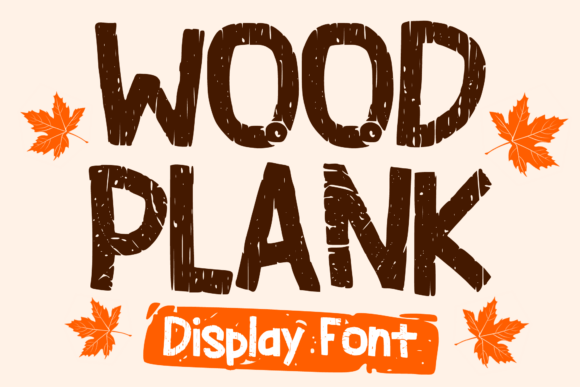
Typography is often treated as a subtle background element, but sometimes a project demands a typeface that steps forward and announces itself with personality. Wood Plank is exactly that kind of display font. It captures the earthy, rustic charm of natural timber and translates it into a vibrant visual texture. Rather than simply mimicking wood grain, this typeface embodies the warmth and tactile nature of handcrafted signage, bringing a distinctively quirky and bold edge to digital and print media alike.
For designers and creators, choosing a textured font like Wood Plank is rarely about utility or high-volume reading. Instead, it is a strategic decision to inject joy, cheer, and a sense of nostalgia into a composition. Whether you are designing merchandise, educational materials, or festive branding, understanding how this specific aesthetic functions across different contexts can help you determine if it is the right tool for your current goals.
Defining the Aesthetic of Textured Display Type
At its core, Wood Plank is a celebration of imperfection. In an era dominated by sleek, minimalist sans-serifs and precise geometric shapes, this font offers a deliberate departure toward the organic. The letterforms are constructed to resemble physical planks, complete with the visual weight and ruggedness associated with carpentry and outdoor signage. This isn't just a stylistic overlay; the texture is intrinsic to the shape of the characters.
This inherent texture serves a functional purpose in design hierarchy. Because the letters carry so much visual information within their strokes, they naturally command attention without needing excessive sizing or color contrast. For a creator, this means the font does the heavy lifting in establishing a mood. It immediately signals themes of nature, craftsmanship, tradition, or playfulness, allowing the rest of the layout to remain simpler and more breathable.
Perspectives from Merchandise and Product Designers
For entrepreneurs and small business owners focused on physical products, typography must survive the transition from screen to substrate. Wood Plank is particularly relevant for those creating t-shirts, stickers, and tote bags. The bold, whimsical nature of the typeface lends itself exceptionally well to screen printing and heat transfer vinyl applications. Thin, delicate lines often get lost or break during these production processes, but the sturdy construction of Wood Plank ensures legibility and impact on fabric.
From a commercial value perspective, this font helps establish a brand voice that feels approachable and handmade. A coffee shop selling artisanal blends or a boutique offering sustainable goods can use this typeface to reinforce their commitment to natural materials. However, product designers must also evaluate flexibility. While excellent for headlines and short phrases, this font is not suitable for product descriptions or care labels. Its strength lies in being a singular focal point—a logo lockup or a slogan—rather than a workhorse for information density.
Educators and Children’s Book Illustrators
The application of Wood Plank shifts significantly when the audience includes children. For educators, self-publishing authors, and illustrators, the priority is engagement and emotional resonance. The "quirky" aspect mentioned in the font's description is a critical asset here. Children respond to visuals that feel tangible and safe, and the wooden texture evokes storybook classics, treehouses, and outdoor adventures.
When embedding this typeface into children’s books or classroom posters, the goal is to brighten the environment without causing cognitive overload. The distinct texture adds a layer of sensory interest that flat colors cannot achieve. For a teacher creating learning aids, using Wood Plank for alphabet charts or thematic unit headers can make the material feel less sterile and more inviting. However, readability remains paramount. Experienced users in this field will test the font at various sizes to ensure that the internal textures do not reduce character recognition for early readers. It works best for titles and large keywords, paired with a clean, simple body font for the narrative text.
Festive Greetings and Seasonal Campaigns
Marketers and hobbyists alike often face the challenge of making seasonal content feel fresh rather than repetitive. Wood Plank offers a versatile solution for festive greetings, holiday cards, and event banners. Unlike traditional script fonts that dominate the winter holiday season, this typeface brings a cozy, cabin-in-the-woods atmosphere that works equally well for autumn harvest festivals, summer camp promotions, or rustic winter weddings.
For the freelance graphic designer, speed and reliability are often key decision factors. Wood Plank allows for rapid ideation because it carries its own decoration. You do not need to spend hours adding drop shadows, bevels, or grunge overlays to make it look festive; the texture provides instant ambiance. This efficiency is valuable when producing high volumes of social media graphics or greeting card variations. The font acts as a shortcut to a specific emotional tone, allowing the designer to focus on layout and messaging rather than texturing effects.
Evaluating Suitability for Your Project
Determining whether Wood Plank aligns with your needs requires an honest assessment of your project’s intent. Beginners might be drawn to the font simply because it looks fun, but successful implementation requires restraint. Ask yourself if the project benefits from a loud, textural voice or if it requires quiet clarity. If you are designing a corporate annual report or a medical brochure, this typeface would likely be inappropriate and distracting. However, if you are launching a craft fair, designing a birthday invitation, or branding a pet treat company, the alignment is strong.
Professionals should also consider long-term usefulness. Trend-based textures can sometimes date a design quickly. Wood Plank mitigates this risk through its connection to classic rustic aesthetics rather than fleeting internet trends. It feels timeless in a way that neon or glitch effects do not. Nevertheless, it is wise to evaluate licensing and technical quality. Ensure the file format supports your intended output resolution and that the license covers commercial merchandise if you plan to sell items featuring the typeface.
- Best For: T-shirt graphics, children’s book titles, rustic wedding invitations, craft fair signage, sticker designs, and festive social media posts.
- Key Strengths: Instant textural depth, high visibility at large sizes, whimsical yet sturdy construction, and strong thematic association with nature and joy.
- Considerations: Not suitable for body copy; requires careful pairing with neutral fonts; texture may require adjustment for very small print sizes.
Balancing Whimsy with Professional Presentation
Ultimately, integrating Wood Plank into your workflow is about balancing creative expression with practical communication. For the hobbyist, the joy of experimentation is reason enough to explore its capabilities. For the professional, it is a specialized tool in a broader kit, deployed specifically when the brief calls for warmth and character. By understanding the distinct priorities of different user groups—from the merchant needing durable prints to the educator seeking engaging visuals—you can leverage this typeface to turn ordinary layouts into captivating visual treats.
The earthy charm of Wood Plank is more than just a decorative flourish; it is a conduit for emotion. When used thoughtfully, it transforms standard text into an experience, welcoming viewers into a space of creativity and cheer. Whether you are splashing it across a banner or carefully setting a book cover, let the font’s inherent personality guide your design choices, ensuring that every letter contributes to a cohesive and joyful narrative.