Integrating Anya Slab into Professional Design Workflows
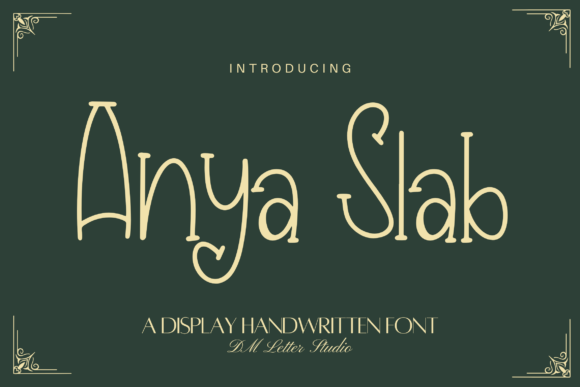
In the landscape of modern typography, finding a typeface that balances structural integrity with organic warmth is a common challenge for designers and brand strategists. Anya Slab addresses this specific need by offering a unique blend of classic structure and artisanal flair. As a display handwritten typeface, it distinguishes itself through elegant, whimsical proportions that avoid the rigidity of traditional serifs while maintaining enough formality for professional applications. For creators, marketers, and small business owners, integrating Anya Slab is not merely an aesthetic choice but a strategic decision that influences brand perception, layout efficiency, and visual hierarchy.
Anya Slab features elongated letterforms and delicate slab serifs that cultivate a refined yet approachable "storybook" aesthetic. This specific construction makes it a sophisticated alternative to standard serif fonts, particularly when the project requires a narrative quality or a sense of bespoke craftsmanship. Whether you are developing boutique branding, designing high-end stationery, or laying out creative editorial headers, understanding how this typeface functions within a broader design system is essential for achieving consistent, high-quality results.
Strategic Application in Brand Identity and Editorial
The primary utility of Anya Slab lies in its ability to convey vintage charm without sacrificing contemporary legibility. In a branding workflow, this typeface serves best as a primary identifier rather than a workhorse text font. Its graceful curves and unique character endings ensure that headlines and logos feel personally crafted and timelessly stylish. When planning a brand identity system, consider Anya Slab as the anchor element that establishes tone before secondary assets are developed.
For wedding invitations and luxury packaging, the font’s delicate slab serifs provide the necessary weight to stand out on textured papers while retaining an air of elegance. However, practical implementation requires restraint. Because the letterforms are elongated and possess distinct personality traits, they command significant visual attention. Use this typeface to bring a touch of vintage charm to specific touchpoints where emotional connection is paramount, such as invitation suites, product labels, or about-page headers. Avoid using it for dense body copy or functional UI elements, as the intricate details may reduce readability at smaller sizes.
Establishing Visual Hierarchy and Pairing
Successful typography relies on contrast, and Anya Slab demands partners that provide stability. It pairs beautifully with minimalist monoline scripts or clean, light-weight sans-serifs to create a balanced, high-end look. When building a style guide, select a supporting sans-serif that shares similar x-height proportions but lacks the decorative flourishes of the slab serif. This interaction ensures that the Anya Slab remains the focal point while the supporting text facilitates information retrieval.
- Headline Dominance: Reserve Anya Slab for H1s, logo lockups, and pull quotes. Its structural uniqueness naturally creates the top tier of your visual hierarchy.
- Supporting Text: Utilize neutral sans-serifs for ingredients, dates, pricing, and body paragraphs. The simplicity of the supporting font amplifies the artistry of the display face.
- Script Accents: If a third typeface is necessary for signatures or personal notes, choose a monoline script. Avoid heavy brush scripts that might compete with the slab serifs for visual weight.
This pairing strategy is crucial during the drafting phase of any creative project. By establishing these relationships early, you prevent layout friction later in the production process. The goal is to let Anya Slab provide the atmosphere while the secondary fonts handle the logistics of communication.
Executing Fast Layouts with Structural Clarity
Efficiency in design often stems from having clear rules for type application. When working with Anya Slab, adopt a workflow that prioritizes strong size changes over multiple font weights. Because slab serifs love contrast, keep your hierarchy clear by using fewer weights and relying on scale to differentiate information. This approach not only speeds up the layout process but also maintains visual cohesion across various media formats.
Start with Anya Slab for the headline or brand name to set the immediate context. After that, add a clean sans for supporting text like ingredients, dates, or pricing. This binary switching between "display" and "functional" reduces decision fatigue during the design phase. Additionally, try using simple shapes, such as rules, badges, and frames, to complement the structured look. These geometric elements act as containers that organize the whimsical nature of the handwritten forms, grounding them within a professional grid system.
Color Systems and Atmospheric Pairing
Typography does not exist in a vacuum; color plays a pivotal role in how type is perceived. To maximize the vintage and luxurious qualities of Anya Slab, curate color palettes that enhance its storybook aesthetic rather than overpowering it. Save palette pairs like charcoal cream, navy ivory, cocoa beige, or forest pearl to establish a consistent mood board before beginning layout work. These combinations evoke natural materials and heritage craftsmanship, reinforcing the typeface's inherent characteristics.
When implementing these colors, consider the background texture as well. Anya Slab performs exceptionally well against matte, uncoated, or linen-textured backgrounds. High-gloss surfaces or neon color schemes can sometimes clash with the font's delicate serifs, creating a dissonance that undermines the intended sophistication. Testing color and texture combinations during the proofing stage ensures that the final output aligns with the premium positioning of the project.
Technical Considerations and Quality Control
While Anya Slab offers significant aesthetic value, professional execution requires attention to technical details. The elongated nature of the letterforms means that tracking (letter-spacing) must be managed carefully. Tight tracking can cause the delicate serifs to collide, reducing legibility and creating visual clutter. Conversely, excessive tracking can disconnect the letters, breaking the handwritten flow. During the refinement phase, adjust tracking optically for each specific size and application rather than relying on global settings.
Compatibility is another factor in long-term use. Ensure that the font files are properly licensed for all intended platforms, including web, print, and social media templates. For digital applications, verify that the webfont rendering preserves the thin strokes of the slab serifs across different browsers and devices. Some rendering engines may thicken delicate lines, altering the intended proportion. Implementing CSS adjustments or selecting optimized webfont formats can mitigate these issues, ensuring the user experience matches the design intent.
Workflow Integration for Teams and Freelancers
For agencies and freelance designers, integrating Anya Slab into client workflows involves education and asset management. Clients may be drawn to the font's beauty but unaware of its limitations regarding readability and hierarchy. Part of the professional service includes guiding clients toward appropriate use cases. Create usage guidelines that explicitly define where Anya Slab should and should not be used. Provide pre-set templates for social media, invoices, and presentations that already have the correct pairings and spacing established.
This preparation phase saves time during future iterations and protects the integrity of the brand identity. When handing off files, include notes on recommended color codes and pairing fonts. If the client needs to create content independently, providing a locked template prevents them from stretching the font or using it for body text, which would degrade the brand's perceived value over time.
Evaluating Outcomes and Long-Term Viability
The decision to use Anya Slab should ultimately be measured by its effectiveness in communicating the desired message. In boutique branding and luxury markets, success is often defined by the emotional resonance of the visual identity. Does the typeface make the product feel more exclusive? Does the editorial header invite the reader into the story? These qualitative metrics are just as important as technical performance.
Over the long term, monitor how the typeface ages with the brand. While Anya Slab possesses a timeless quality, trends in styling and color can shift. Because the font is rooted in classic structure rather than fleeting novelty, it generally adapts well to evolving aesthetics. However, periodic audits of typographic applications ensure that the execution remains crisp. Refreshing color palettes or updating supporting sans-serifs can keep the overall system feeling current without requiring a complete rebrand.
Ultimately, Anya Slab is a tool for differentiation. In a saturated market, the ability to signal quality and craftsmanship through typography provides a tangible competitive advantage. By approaching its selection and implementation with the same rigor applied to business strategy or content planning, professionals can transform a font choice into a foundational element of their creative and commercial success. The key lies in respecting the typeface's character while disciplining its application through clear hierarchies, thoughtful pairings, and consistent technical execution.