Integrating Summer Notes into Professional Design Workflows
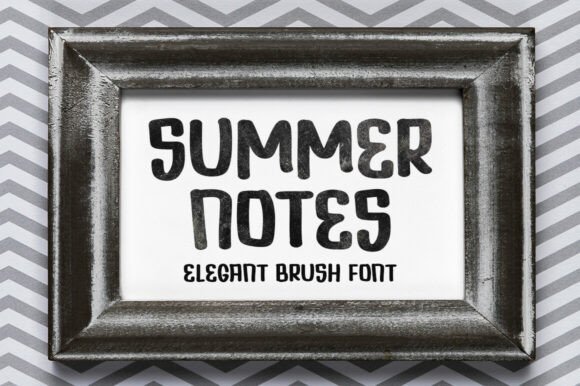
Selecting the right typography is rarely just an aesthetic choice; it is a strategic decision that influences user perception, brand voice, and project efficiency. Summer Notes serves as a specialized tool within this selection process, offering a whimsical and playful brush font that exudes a carefree and lighthearted vibe. For professionals ranging from freelance designers to marketing directors, understanding where this typeface fits into a broader production pipeline is essential for maximizing its impact without compromising readability or brand consistency.
Unlike standard sans-serif body copy or structured serif headings, Summer Notes functions best as a high-impact accent asset. Its hand-drawn style and natural flow make it ideal for specific touchpoints in a campaign or product launch rather than serving as a universal system font. Integrating this typeface effectively requires planning during the pre-production phase, careful execution during design, and quality control during final output preparation.
Strategic Planning and Asset Preparation
Before opening design software, it is necessary to determine if the tone of Summer Notes aligns with the project objectives. This font carries an inherent emotional weight associated with warmth, leisure, and organic creativity. During the mood boarding and concepting phase, test the font against the core message. If the goal is to convey corporate stability or technical precision, this typeface may create cognitive dissonance. However, for projects centered on lifestyle, hospitality, education, or seasonal promotions, it acts as a visual shorthand for approachability.
Technical preparation is equally important. Because Summer Notes is a brush script with variable stroke widths, file format selection matters. For print workflows such as wedding invitations or event posters, ensure you are working with vector formats (OTF or TTF) to maintain crisp edges at large scales. For web and social media graphics, verify licensing terms regarding embedding and commercial use early in the procurement process to avoid legal bottlenecks later. Organizing the font files within your team’s shared asset library with clear naming conventions prevents version conflicts when multiple designers are collaborating on a summer campaign.
Implementation Across Digital and Print Media
The application of Summer Notes varies significantly depending on the medium. In digital environments, performance and accessibility must guide usage. While the font adds character to social media graphics and email headers, it should be used sparingly to maintain fast load times and screen reader compatibility. When designing for Instagram stories or Pinterest pins, utilize Summer Notes for short, punchy headlines or call-to-action overlays. The organic texture of the letterforms creates a natural focal point that stops the scroll, but limiting text to three or four words ensures legibility on mobile devices.
In print production, the tactile nature of Summer Notes allows for more expressive application. Invitations, packaging labels, and merchandise benefit from the font's hand-drawn authenticity. Here, the workflow shifts from pixel optimization to ink management. Brush fonts often have varying opacity and texture that can behave unpredictably on uncoated papers. Conducting press proofs or test prints is a critical step. You may need to adjust tracking or stroke weight slightly to compensate for ink spread, ensuring the "carefree" vibe does not translate to "messy" in physical form.
Pairing Strategies for Visual Hierarchy
Summer Notes cannot carry a design alone. It requires a supporting cast of neutral typefaces to function effectively within a professional layout. Establishing a reliable pairing system streamlines the design process and ensures consistency across deliverables.
- Geometric Sans-Serifs: Fonts like Montserrat or Futura provide a clean, modern counterpoint to the organic curves of Summer Notes. This combination works exceptionally well for tech-lifestyle brands or modern event branding.
- Classic Serifs: Pairing with a traditional serif like Playfair Display or Merriweather elevates the sophistication level, making Summer Notes feel more intentional and less juvenile. This is effective for boutique retail or editorial layouts.
- Monospaced Typefaces: For a trendy, Gen-Z-focused aesthetic, combining Summer Notes with a monospace font creates an interesting tension between raw utility and artistic expression, suitable for zines or alternative marketing materials.
When setting type, always establish hierarchy rules before beginning layout work. Define specific sizes and weights for Summer Notes relative to your body copy. For example, if your body text is 16px, your Summer Notes header might need to be 48px or larger to achieve optical balance due to the thinner strokes inherent in brush scripts.
Workflow Efficiency and Quality Control
Incorporating decorative typography can slow down production if not managed correctly. To maintain efficiency, create reusable style presets or components. In tools like Figma, Adobe Illustrator, or Canva, save Summer Notes configurations as master styles. This includes predefined kerning adjustments, color swatches, and effects like drop shadows or textures that complement the brush aesthetic. By productizing these decisions, you reduce repetitive manual adjustments and ensure that every team member applies the font consistently.
Quality control for script fonts requires a different checklist than standard typography. Before finalizing any asset containing Summer Notes, review the following:
- Connection Integrity: Check that connecting strokes between letters appear natural. Manual kerning is often required to fix awkward gaps or overlaps that automated metrics miss.
- Contrast Ratios: Brush fonts often have thin hairlines that fail WCAG accessibility standards. Ensure Summer Notes is used only for non-essential decorative text or large headings where contrast is sufficient. Never use it for vital navigation or instructional text.
- Cross-Platform Rendering: Test how the font renders across different operating systems and browsers if used in web headers. Fallback stacks should be defined to prevent layout shifts if the custom font fails to load.
- Tone Consistency: Review the final composition to ensure the playfulness of the font hasn't undermined the seriousness of the offer or information being presented.
Long-Term Brand Integration and Scalability
For businesses and creators building a long-term visual identity, Summer Notes should be treated as a seasonal or campaign-specific module rather than a permanent cornerstone. Trends in typography cycle quickly, and what feels fresh today may feel dated in two years. Documenting the usage guidelines in your brand book helps future-proof your assets. Specify exactly when and how to deploy the font: "Use Summer Notes exclusively for Q3 promotional materials and annual retreat branding; revert to primary brand typeface for all Q4 corporate communications."
This modular approach also aids in scaling content production. As your team grows or you outsource work to freelancers, having clear documentation prevents brand dilution. New contributors can immediately understand that Summer Notes is reserved for specific contexts, reducing the learning curve and revision cycles. Furthermore, maintaining a library of pre-approved Summer Notes assets—such as banner templates, badge elements, and social frames—allows for rapid deployment during peak seasons without sacrificing quality.
Enhancing Creative Output Through Intentional Typography
Ultimately, the value of Summer Notes lies in its ability to humanize digital and printed experiences. In an era of AI-generated content and sterile minimalism, hand-drawn typography signals authentic human effort. However, this signal is only effective when integrated with professional discipline. By approaching Summer Notes as a functional component of your workflow rather than mere decoration, you leverage its emotional resonance while maintaining operational excellence.
Whether you are a small business owner designing your own packaging or an agency art director overseeing a multi-channel campaign, the principles remain the same: plan for context, pair with purpose, optimize for medium, and standardize for scale. When executed with this level of intentionality, Summer Notes transforms from a simple font file into a powerful communication tool that brings genuine warmth and joy to your audience, reinforcing your brand’s personality through every carefully crafted curve.