Modern Brush: Integrating Raw Artistic Energy into Contemporary Visual Design
In the evolving landscape of digital and print typography, the pendulum frequently swings between pristine minimalism and expressive chaos. While clean sans-serifs have dominated corporate communication for decades, a significant shift toward authenticity has created space for typefaces that mimic human imperfection. Modern Brush represents this specific niche within display typography. It is not merely a font but a textural element that bridges the gap between traditional hand-painting and digital vector graphics. For designers, marketers, and content creators, understanding how to leverage this bold, artistic hand-drawn display font requires looking beyond its aesthetic appeal to understand its functional role in visual hierarchy and brand storytelling.
The Anatomy of Authentic Imperfection
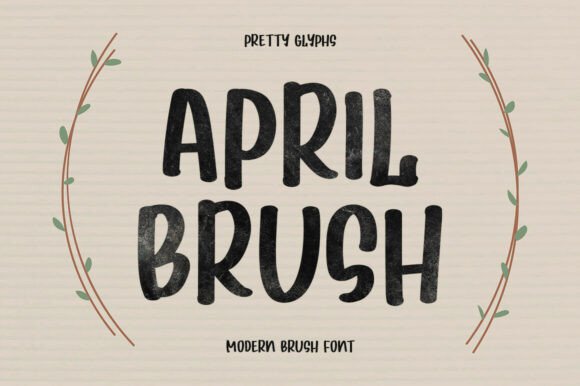
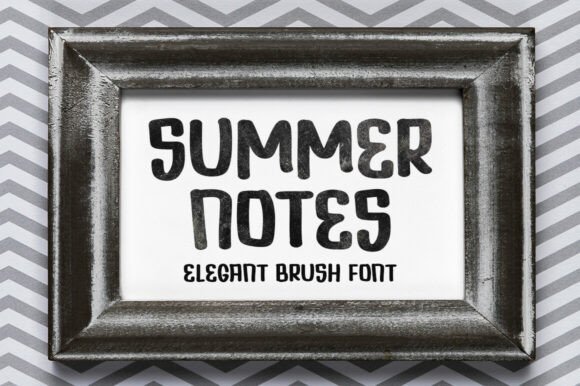
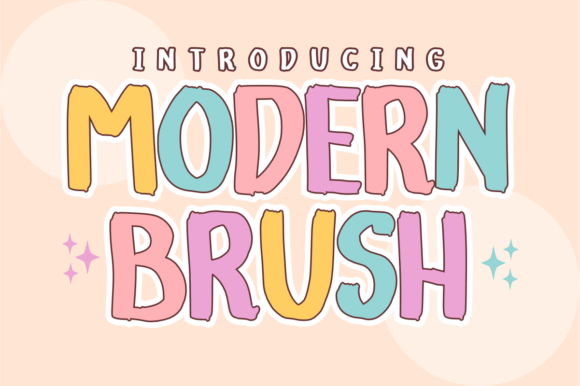
To utilize Modern Brush effectively, one must first understand what distinguishes it from standard script or brush fonts. Many digital brush typefaces suffer from over-smoothing, resulting in letterforms that look artificial or overly polished. Modern Brush counters this by retaining the energetic and raw feel of physical media. The defining characteristic of this typeface is its chunky, textured edges. These are not uniform lines; they possess the variation in opacity and edge roughness associated with a loaded paintbrush moving across canvas or paper.
This texture serves a psychological purpose in design. In an era of AI-generated imagery and perfect geometric logos, audiences have developed a subconscious sensitivity to synthetic perfection. The irregularities in Modern Brush signal human intervention. When a viewer encounters these jagged, bold strokes, they associate the design with craftsmanship, spontaneity, and organic creation. This makes the font particularly valuable for brands attempting to establish trust through perceived authenticity. The bold personality of the letterforms ensures that even at smaller display sizes, the texture remains legible and impactful, preventing the loss of detail that often plagues finer brush scripts.
Strategic Applications in Street Culture and Apparel
The most immediate and potent application for Modern Brush lies within the streetwear and urban fashion sectors. This industry relies heavily on visual language that communicates rebellion, exclusivity, and movement. Standard typography often fails to convey the kinetic energy required for these brands. Modern Brush provides an unapologetic, rebellious character that aligns with the ethos of street culture.
When designing t-shirts, hoodies, or caps, the font functions as a graphic element rather than just a vehicle for text. The weight of the strokes allows for high-contrast printing on textiles, ensuring readability from a distance while maintaining artistic integrity. For streetwear labels, the typeface suggests a DIY ethic even when applied to mass-produced garments. It transforms a simple brand name or slogan into a piece of wearable art. Designers working in this space should consider the interaction between the font’s texture and the fabric’s weave. The grittiness of Modern Brush complements heavy cottons, distressed denim, and technical nylons, creating a cohesive tactile experience that extends beyond the visual.
High-Motion Sports and Festival Graphics
Beyond fashion, the font’s inherent sense of velocity makes it a strategic choice for dynamic environments. Music festival posters and sports graphics require typography that feels loud and active. Static, upright serifs can feel stagnant in these contexts. Modern Brush captures the authentic essence of hand-painted strokes in motion, implying speed and volume.
In sports marketing, where the goal is to convey intensity and athleticism, this typeface adds a layer of visceral impact. It works exceptionally well for headlines announcing events, player names, or motivational slogans. Similarly, for music festivals, the font echoes the hand-made aesthetic of vintage concert posters while retaining modern legibility. It signals to the audience that the event will be energetic and immersive. The key to success in these applications is scale; the font demands to be seen and loses its effectiveness if relegated to secondary information. It is a headline solution, designed to anchor the composition and dictate the emotional tone of the entire piece.
Color Theory and Textural Pairing
Selecting the right typeface is only half the battle; styling it correctly determines its success. Modern Brush thrives on contrast and conflict. Because the letterforms are already rich with internal texture and organic shape, pairing them with soft pastels or muted tones can sometimes dilute their impact. To maximize the "street" appeal and bold nature of the font, designers should explore vibrant, clashing colors.
High-saturation combinations—such as neon green against deep violet, or safety orange against charcoal black—amplify the rebellious character of the type. The rough edges of the font create natural friction against solid color backgrounds, making the text appear to vibrate or pop forward. Additionally, integrating gritty textures into the background or overlaying noise filters can enhance the handcrafted touch. However, caution is necessary here. Since Modern Brush already contains significant textural data, adding too much background noise can reduce legibility. The best approach is often to keep the background relatively flat or subtly textured to allow the complex edges of the typography to remain the focal point.
Digital Adaptation and Social Media Hierarchy
Translating a textured display font to digital screens presents unique challenges and opportunities. On social media platforms like Instagram, TikTok, and YouTube, users scroll rapidly. Content must arrest attention within milliseconds. Modern Brush serves as an excellent tool for thumbnails and story overlays because its bold weight remains distinct even on small mobile screens.
For social media content creators, the font offers a way to break away from the generic templates provided by design apps. Using Modern Brush for video titles or carousel headers introduces a bespoke quality that differentiates personal brands from algorithmic content. However, accessibility must remain a priority. Because the font is artistic and irregular, it should never be used for body copy or critical navigational elements. Its role is strictly hierarchical: it is the hook, not the explanation. Pairing it with a highly legible sans-serif for captions and descriptions ensures that the design remains inclusive and functional. The artistic flair attracts the eye, while the supporting typography delivers the message.
Technical Considerations for Crafters and Print Production
A significant portion of Modern Brush’s user base includes hobbyists and small business owners utilizing cutting machines like Cricut and Silhouette. For this demographic, the technical construction of the font is as important as its aesthetic. Hand-drawn fonts can sometimes present issues with overlapping paths or open contours that confuse cutting software.
Modern Brush is optimized for these workflows, featuring clean vector paths despite its rough appearance. This makes it ideal for vinyl decals, iron-on transfers, and paper crafts. When preparing files for cutting, users should ensure that the text is converted to outlines or paths to prevent substitution errors. For product packaging and labels, the font’s boldness translates well to various printing methods, including screen printing and risograph. However, designers should be mindful of ink spread. The textured edges can fill in if printed on absorbent papers like kraft or uncoated cardstock. Testing on the intended substrate is essential to maintain the crispness of the hand-painted illusion. In packaging design, the font works best as a primary identifier or flavor variant, adding a premium, artisanal feel to consumer goods ranging from craft beverages to handmade cosmetics.
Balancing Attitude with Commercial Viability
While Modern Brush possesses an edgy, non-conformist spirit, it remains a versatile tool for commercial branding. The challenge for professional designers is harnessing this attitude without alienating broader audiences. The font acts as a "smart" solution because it conveys creativity without sacrificing structure. Unlike chaotic grunge fonts that can be difficult to read, Modern Brush maintains clear letterform recognition.
This balance makes it suitable for businesses that want to appear innovative and youthful without seeming unprofessional. Tech startups focusing on creative tools, beverage companies targeting Gen Z, and educational platforms promoting arts programs can all benefit from this typographic voice. The key is restraint. Using the font sparingly—as a logo lockup, a campaign header, or a signature element—preserves its power. Overuse leads to visual fatigue and diminishes the specialness of the hand-drawn aesthetic. By treating Modern Brush as a high-value accent rather than a workhorse, designers ensure that every instance of its use carries maximum semantic weight and visual impact.
Ultimately, the value of Modern Brush lies in its ability to inject humanity into designed spaces. Whether applied to a massive festival banner, a delicate product label, or a fleeting social media post, it reminds the viewer of the hand behind the screen. It validates the current cultural desire for the tangible and the real, proving that even in a fully digital workflow, there is enduring power in the imperfect stroke.