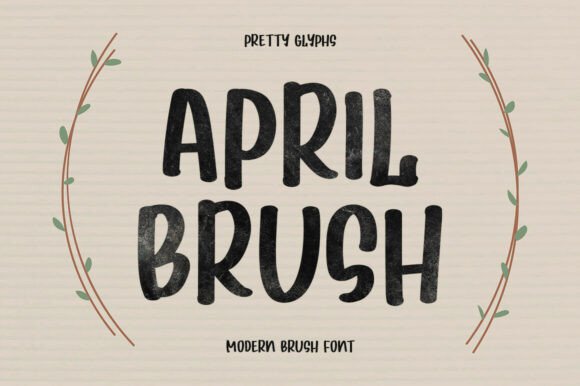
April Brush: Elevating Design Projects with Modern Elegance
When a design project feels stagnant or overly corporate, the right typeface can act as the missing emotional link. April Brush is a modern and elegant font design that combines authentic brush strokes with a sophisticated style, bridging the gap between raw artistic expression and professional polish. Unlike traditional script fonts that can feel dated or overly ornate, this typeface offers a contemporary rhythm that speaks to current aesthetic trends while retaining timeless appeal. Its flowing and dynamic characters make it perfect for adding a touch of creativity and personality to any project, serving as a versatile tool for designers who need their typography to carry as much weight as their imagery.
Redefining Brand Identity Through Typography
In the crowded landscape of visual branding, distinctiveness is currency. April Brush excels in logo design and brand identity systems where the goal is to convey approachability without sacrificing authority. For boutique agencies, artisanal food brands, or wellness startups, standard sans-serif logos often fail to communicate the human element of the business. This font introduces an organic texture that suggests craftsmanship and personal attention.
Consider a skincare line launching a new organic collection. Using a rigid geometric font might imply clinical precision, which could alienate customers seeking natural warmth. Conversely, a messy hand-lettered scrawl might look unprofessional. April Brush sits comfortably in the middle ground. The ligatures and stroke variations mimic natural handwriting but maintain the structural integrity required for scalable vector graphics. This balance allows a brand to appear established yet intimate, making it particularly effective for businesses built on founder-led narratives or personalized customer experiences.
Practical Application in Packaging and Labels
Packaging design presents unique challenges regarding legibility at small sizes and shelf impact. When applying this typeface to product labels, wine bottles, or cosmetic jars, hierarchy becomes essential. The bold, expressive nature of April Brush makes it ideal for primary identifiers like product names or flavor variants. However, practical experience suggests pairing it with a clean, neutral sans-serif for regulatory text, ingredients, and volume indicators.
This contrast not only ensures compliance and readability but also amplifies the elegance of the brush script itself. On a matte paper stock or textured label material, the ink-like quality of the font enhances the tactile experience of the product. Designers working in physical media should note that this typeface responds beautifully to embossing and foil stamping, as the varying stroke widths create natural highlights and shadows that flat printing cannot achieve.
Enhancing Editorial and Event Stationery
The wedding and event industry has shifted away from cookie-cutter templates toward bespoke, editorial-style stationery. April Brush serves as a cornerstone for this movement. It is ideal for invitations, save-the-dates, and place cards because it reads as custom calligraphy rather than digital text. For couples wanting a romantic yet modern vibe, this font avoids the stuffiness of Victorian scripts while offering more character than minimalist block letters.
Beyond weddings, editorial designers utilize this typeface to break up dense layouts in magazines and lookbooks. A pull quote set in April Brush can transform a page spread, guiding the reader’s eye and providing a visual pause. In fashion editorials, it adds a layer of narrative intimacy, suggesting that the content is a personal recommendation rather than a sterile advertisement. The key here is restraint; using the font for headlines and accent elements preserves its impact, whereas overuse can dilute its sophisticated charm.
Digital Presence and Social Media Graphics
Translating brush typography to screens requires careful consideration of resolution and contrast. April Brush performs exceptionally well in social media graphics, YouTube thumbnails, and website hero sections where large display sizes showcase its intricate details. Content creators and digital marketers benefit from its ability to stop the scroll. In an era of uniform Instagram aesthetics, the dynamic flow of this typeface creates a pattern interrupt that signals authenticity.
However, web accessibility must remain a priority. While beautiful, brush fonts can be challenging for users with dyslexia or visual impairments when used in body copy or at small sizes. Best practice dictates reserving April Brush for decorative headings and ensuring all web implementations include proper alt text or semantic HTML tags. When used correctly in digital spaces, it humanizes tech-forward brands and adds warmth to e-commerce platforms that might otherwise feel transactional.
Navigating Pairings and Layout Considerations
The success of any display font relies heavily on what surrounds it. April Brush demands supportive typography that grounds its energy. Because the letterforms are inherently active and directional, pairing them with another script or highly stylized serif often results in visual chaos. Instead, opt for understated partners:
- Geometric Sans-Serifs: Fonts like Montserrat or Futura provide a stable, mathematical counterpoint to the organic curves of the brush strokes.
- Monospaced Typefaces: For a trendy, editorial look, pairing with a mono font creates a compelling tension between mechanical and handmade aesthetics.
- Simple Serifs: Traditional serifs work well for longer-form reading, allowing April Brush to shine exclusively in titling roles.
Spacing is another critical factor. Brush fonts often have built-in kerning designed to mimic connected writing. Manually tightening the tracking can sometimes cause overlapping strokes to become muddy, especially in heavier weights. Conversely, excessive tracking can break the illusion of fluid handwriting. Trusting the type designer’s original metrics is usually the safest starting point, adjusting only when specific letter combinations require optical correction.
Understanding Limitations and Contextual Fit
While versatile, April Brush is not a universal solution. Its inherent personality means it carries specific connotations that may clash with certain industries. For legal firms, medical institutions, or financial services requiring high levels of perceived stability and neutrality, this typeface may read as too informal or whimsical. Understanding the psychological weight of typography prevents misalignment between brand message and visual execution.
Additionally, multilingual projects require verification of language support. Brush fonts often focus on Latin character sets, and finding matching glyphs for extended languages can be difficult. If a campaign targets diverse linguistic demographics, ensuring consistent stylistic coverage across all necessary languages is vital before committing to the typeface. In cases where support is limited, using April Brush solely for English-language headlines while selecting a complementary local typeface for other markets maintains design cohesion without compromising communication.
Ultimately, the value of April Brush lies in its ability to inject soul into structured design. It solves the common problem of digital sterility by offering a scalable, reproducible form of human expression. Whether defining a luxury brand’s visual voice or adding flair to a seasonal marketing campaign, it provides a reliable foundation for creativity. By respecting its need for negative space, thoughtful pairing, and contextual appropriateness, designers can leverage this typeface to create work that resonates on both an aesthetic and emotional level.