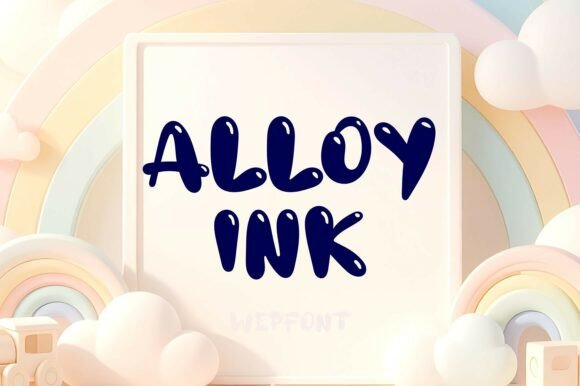
Alloy Ink: Bold Texture for Playful Design
In a digital landscape saturated with clean lines and minimalist aesthetics, finding a typeface that genuinely stops the scroll is a challenge. Alloy Ink breaks this monotony by offering something tactile and unapologetically loud. It is not merely a collection of letterforms; it is a visual texture that brings a grungy, hand-drawn energy to any canvas. For designers and brand strategists tired of safe choices, this display font serves as a powerful tool for injecting personality into projects that demand attention without sacrificing artistic integrity.
The Tactile Personality of Modern Typography
What immediately sets Alloy Ink apart from standard bold sans serif fonts is its distinctive surface quality. The letters do not look like they were generated by a computer; they appear to have been applied with a thick marker, paintbrush, or even a stamp. This heavy, brush-stroke-like texture gives the typeface a physical presence that flat vector graphics often lack. When used in logo design or packaging, this grit adds a layer of authenticity and craftsmanship that resonates with audiences seeking genuine human connection in commercial messaging.
Despite its substantial weight, the font avoids feeling oppressive or overly industrial. The slightly irregular edges and organic imperfections in the letterforms introduce a sense of playfulness and movement. This balance is crucial. A purely grungy font can sometimes read as aggressive or messy, but Alloy Ink maintains an energetic, youthful spirit. It feels urban and contemporary, echoing street art aesthetics while remaining polished enough for professional brand identity work. This duality makes it a versatile creative font for projects that need to be edgy yet approachable.
Strategic Applications Across Media
Understanding where to deploy such a high-impact typeface is just as important as appreciating its style. Because Alloy Ink commands so much visual real estate, it functions best as a headline or accent element rather than body copy. Its strength lies in creating immediate focal points. In editorial design, it works exceptionally well for pull quotes, chapter titles, or magazine covers where the goal is to disrupt the reading flow momentarily and draw the eye.
For children’s brands and products, this font is particularly effective. As seen in applications like "Little Wonders" on ceramic mugs or "Tiny Treasures" on apparel, the playful irregularity aligns perfectly with the whimsical nature of youth marketing. It communicates fun and safety simultaneously, avoiding the sterile look of corporate typography while maintaining legibility. Similarly, in the food and beverage sector, Alloy Ink can evoke artisanal quality on packaging labels, suggesting that the product inside was made with care and bold flavor.
Digital creators will also find value in social media graphics where engagement is the primary metric. On platforms like Instagram or TikTok, text must be readable at small sizes and within seconds. The bold weight of Alloy Ink ensures clarity on mobile screens, while the unique texture prevents the graphic from looking like a generic template. For web design, consider using it sparingly in hero sections or call-to-action buttons to create a memorable first impression without compromising site performance or accessibility.
Mastering Hierarchy and Font Pairing
Integrating a textured display font requires a disciplined approach to visual hierarchy. Alloy Ink is naturally dominant; if everything is loud, nothing is heard. To maintain professionalism and readability, pair it with typefaces that provide contrast and breathing room. A clean, geometric sans serif font often serves as the ideal partner, grounding the exuberance of Alloy Ink with structural stability. Alternatively, a simple serif font can add a touch of sophistication, creating an interesting tension between the refined and the raw.
When testing font pairings, pay close attention to x-heights and spacing. Because Alloy Ink has such heavy ink traps and textured edges, it may require adjusted tracking or leading to prevent it from visually colliding with surrounding elements. In logo design, ensure that the supporting typeface does not compete for attention. The secondary text should act as a stage, allowing Alloy Ink to perform as the lead actor. This restraint is what separates amateur layouts from expert typographic compositions.
Readability considerations extend beyond pairing. While this typeface is designed for impact, legibility can degrade at very small sizes due to its intricate texture details. Always test your designs at actual print size or mobile viewport dimensions before finalizing. What looks beautifully gritty on a 27-inch monitor might turn into an illegible blob on a business card or mobile banner. Respecting these technical limitations ensures that the artistic vibe enhances communication rather than hindering it.
Evaluating Fit and Licensing for Commercial Use
Before committing Alloy Ink to a long-term brand identity or large-scale campaign, evaluate whether its personality truly aligns with your core message. This font excels at conveying creativity, energy, and informality. However, it may not be the appropriate choice for industries requiring absolute precision, tradition, or solemnity, such as financial services, legal firms, or luxury heritage brands. Context is everything. A premium font is only premium when it solves the specific communication problem at hand.
For entrepreneurs and small business owners, verifying commercial licensing is a non-negotiable step. Design assets like Alloy Ink often come with different license tiers depending on usage, such as desktop, webfont, or app embedding. Ensure you have the correct coverage for your intended application, especially for merchandise or high-volume print runs. Investing in the proper license protects your business from legal issues and supports the type designer’s continued creation of unique tools.
Finally, consider the longevity of the trend. Grunge and hand-drawn textures cycle in and out of fashion. If you are building a brand meant to last decades, use Alloy Ink as a campaign-specific element or a seasonal refresh rather than the cornerstone of your permanent visual identity. This allows you to leverage its current cultural relevance and high impact while maintaining the flexibility to evolve your aesthetic as design trends shift. By treating this typeface as a strategic asset rather than a decorative afterthought, you maximize its value and ensure your designs remain fresh, engaging, and intentionally crafted.