Rought Cowboy: Embrace the Authentic Wild West Style with This Vintage Font
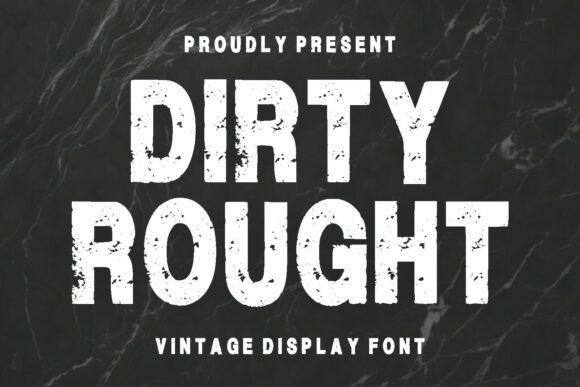
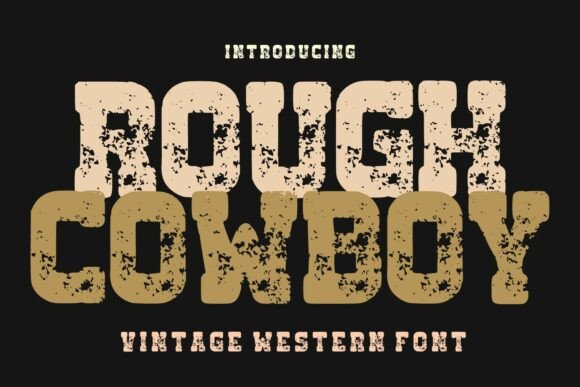
Rought Cowboy is a bold, vintage western font that captures the true spirit of the Wild West. With its heavily distressed and textured style, it's inspired by classic cowboy signage and old western posters. Its rugged letterforms bring an authentic worn-out look, making it perfect for a variety of creative projects such as branding, logos, posters, t-shirt designs, packaging, and rustic-themed ventures.
Why Choose Rought Cowboy?
The unique character of Rought Cowboy makes it a standout choice for anyone looking to add a touch of authenticity and nostalgia to their designs. Whether you're a professional designer, a small business owner, or a hobbyist, this font can help you create a strong and timeless visual impact.
Misunderstanding the Versatility of the Font
One common mistake is assuming that Rought Cowboy is only suitable for specific, niche projects. While it's perfect for rustic and western themes, it can also be creatively used in modern, edgy, and even minimalist designs. For example, using it sparingly in a clean, contemporary layout can add a striking contrast and focal point.
Overusing the Textured Style
Another pitfall is overusing the heavily distressed and textured style. While the texture adds to the authentic feel, too much can make your design look cluttered and unprofessional. Use Rought Cowboy judiciously, perhaps for key headings or titles, and pair it with a simpler, more legible font for body text.
Ignoring Legibility in Different Sizes
While Rought Cowboy is visually appealing, it may not be as legible in smaller sizes due to its detailed texture. Always test the font at various sizes to ensure it remains readable. For instance, use it for larger headings and subheadings, but opt for a cleaner, more legible font for smaller text.
Not Considering the Context
Using Rought Cowboy without considering the overall context of your project can lead to a mismatched and confusing design. Ensure that the font aligns with the tone and message of your brand or project. For example, if you're designing a modern, sleek website, Rought Cowboy might not be the best fit unless you're intentionally creating a stark contrast.
Pair It with Complementary Fonts
To enhance the impact of Rought Cowboy, pair it with complementary fonts that balance its ruggedness. Sans-serif fonts like Arial or Helvetica can provide a clean, modern counterpoint. Alternatively, a serif font like Times New Roman can add a classic, traditional feel.
Use It for Key Elements
Reserve Rought Cowboy for key elements such as headlines, logos, and prominent text. This way, it stands out and adds a unique touch without overwhelming the design. For example, use it for the main title of a poster or the logo of a rustic-themed restaurant.
Test Across Different Platforms
Before finalizing your design, test Rought Cowboy across different platforms and devices to ensure it looks good and is legible. What works on a desktop might not translate well to a mobile screen. Make adjustments as needed to maintain the integrity of your design.
Consider the Branding and Message
Always consider how Rought Cowboy fits into the broader branding and message of your project. If you're aiming for a vintage, rustic, or adventurous theme, this font can be a perfect match. However, if your brand is more about elegance and sophistication, you might need to reconsider or find a way to integrate it subtly.
Final Thoughts
Rought Cowboy is a versatile and visually striking font that can add a unique and authentic touch to your designs. By avoiding common mistakes and following practical advice, you can use it effectively and create impactful, high-quality projects. Remember to always test and adjust to ensure the best possible outcome.