Evaluating Clean Bubbles: A Practical Guide to Modern Bubbly Display Fonts
Selecting the right typography for playful or youth-oriented projects often involves navigating a spectrum between novelty and utility. While many display fonts prioritize visual impact at the expense of legibility, Clean Bubbles attempts to bridge this gap by offering a rounded, cheerful aesthetic that maintains structural integrity. For designers, educators, and small business owners aged 20–50, the decision to use this typeface usually hinges on whether it can serve functional purposes beyond mere decoration. Understanding where Clean Bubbles fits within the broader landscape of rounded sans-serif and novelty fonts is essential for making an informed design choice.
Defining the Clean Bubbles Aesthetic
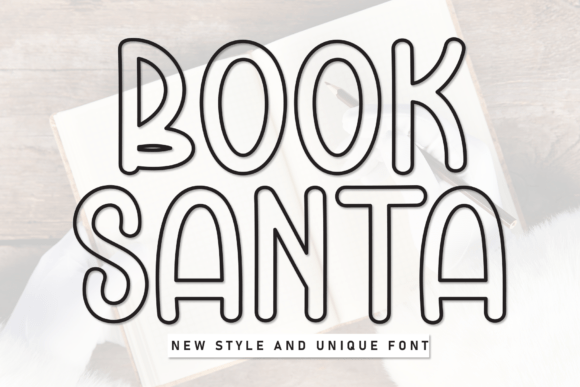
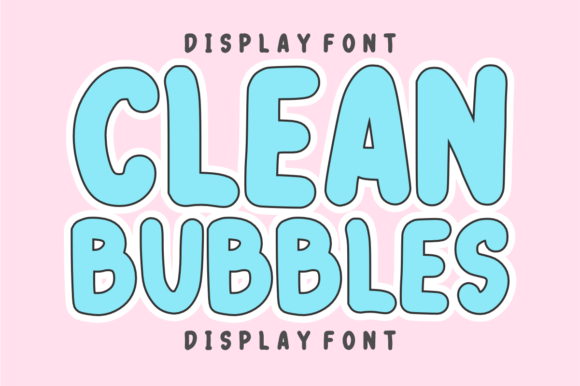
Clean Bubbles is categorized as a modern bubbly display font, but its specific design characteristics distinguish it from traditional cartoon lettering. The typeface features smooth, rounded edges and a consistent stroke width that avoids the erratic weight distribution found in hand-drawn novelty fonts. This consistency is what lends the font its "clean" descriptor. Unlike vintage bubble letters that may feel retro or grunge-inspired, Clean Bubbles utilizes contemporary geometric proportions.
The personality of the font is undeniably lighthearted, yet it avoids being overly juvenile. This balance makes it distinct from standard comic-style fonts often associated with amateur design. The rounded terminals and open counters (the enclosed spaces within letters) contribute to high readability, even when the font is used at smaller sizes than typical display faces. For professionals evaluating this resource, the primary value proposition is this duality: it delivers the emotional warmth required for friendly branding while adhering to modern typographic standards that ensure clarity across digital and print media.
Comparing Rounded Display Fonts vs. Standard Alternatives
When researching typography for projects like nursery decor, sticker designs, or kids' apparel, buyers typically compare options across three categories: strict novelty fonts, rounded sans-serifs, and hybrid display faces like Clean Bubbles. Each category serves different functional needs.
Novelty and Hand-Lettered Styles
Traditional novelty fonts often feature exaggerated shapes, uneven baselines, and decorative elements integrated into the glyphs. While these are excellent for single-word logos or short exclamations, they frequently fail in longer formats. If your project requires full sentences for social media quotes or classroom instructions, pure novelty fonts can become fatiguing to read. Clean Bubbles offers a more restrained alternative here. It retains the fun factor without the visual noise, making it a safer choice for projects that require sustained reading engagement.
Rounded Sans-Serif Typefaces
On the other end of the spectrum are professional rounded sans-serifs. These are highly legible and versatile but can sometimes lack the specific "bubbly" character needed for toys, candy branding, or birthday invitations. They may appear too corporate or clinical for a lighthearted context. Clean Bubbles occupies the middle ground, providing more personality than a utilitarian rounded sans-serif while maintaining better spacing and kerning than a novelty script. When comparing these options, consider the emotional tone of your project. If "friendly and professional" is the goal, a rounded sans-serif may suffice. If "adorable and energetic" is required, Clean Bubbles is likely the stronger candidate.
Best-Fit Use Cases and Practical Applications
Evaluating a font requires looking beyond aesthetics to practical application. Based on its design attributes, Clean Bubbles performs exceptionally well in specific contexts where approachability and clarity must coexist.
- Sticker Design and Die-Cut Crafts: The bold, rounded forms of Clean Bubbles create natural cut lines for die-cutting machines. Unlike thin or serifed fonts, the sturdy shapes reduce the risk of tearing during production. The font’s cheerful vibe aligns perfectly with planner stickers, jar labels, and scrapbooking elements.
- Kids’ Apparel and Merchandise: Children’s clothing requires typography that is soft and non-threatening. Clean Bubbles works effectively for slogans on t-shirts, bibs, and tote bags because it remains legible on fabric textures where fine details might be lost during screen printing or heat transfer.
- Social Media Graphics and Thumbnails: In the crowded environment of social feeds, text must be instantly recognizable. The open shapes of this font maintain clarity even when scaled down for mobile viewing. It is particularly effective for quote cards, announcement overlays, and YouTube thumbnails targeting family or lifestyle audiences.
- Educational Materials: Teachers and curriculum designers benefit from fonts that model clear letterforms for early readers. Because Clean Bubbles uses standard glyph structures (e.g., a simple 'a' rather than a double-story 'a'), it supports literacy development while keeping worksheets and classroom signage visually engaging.
- Nursery and Room Decor: Wall art requires a typeface that feels timeless enough for interior design but playful enough for a child's space. Clean Bubbles provides a modern aesthetic that avoids looking dated, making it suitable for name signs, growth charts, and educational posters.
Tradeoffs and Limitations to Consider
No single typeface is universally appropriate. While Clean Bubbles excels in specific niches, there are scenarios where alternative options would be superior. Recognizing these limitations prevents design friction later in the workflow.
Limited Formal Versatility: Despite its clean construction, this is still a display font with inherent informality. It is generally unsuitable for corporate annual reports, luxury branding, legal documents, or serious editorial content. Attempting to force a bubbly aesthetic into a formal context can undermine credibility. If your brand voice shifts between playful and authoritative, you will need to pair Clean Bubbles with a neutral body font rather than relying on it for all communication.
Space Efficiency: Rounded, bubbly fonts tend to have wider character widths and looser tracking than condensed typefaces. If you are designing for space-constrained environments—such as product packaging with mandatory regulatory text or narrow sidebar widgets—Clean Bubbles may consume too much horizontal real estate. In these instances, a condensed rounded sans-serif might offer a better compromise between tone and fit.
Hierarchy Challenges: Because the font has a uniform stroke weight and consistent roundness, creating strong visual hierarchy using only Clean Bubbles can be difficult. It lacks the variation between light and bold weights found in comprehensive type families. Designers should plan to use size contrast, color, or pairing with a secondary typeface to establish clear information architecture.
Decision Factors for Selection
When finalizing your typography choice, evaluate Clean Bubbles against your specific project parameters using the following criteria:
- Audience Age and Expectation: Is the target audience primarily children, parents, or young adults seeking nostalgia? Clean Bubbles resonates strongly with these demographics. For Gen Z or adult-focused tech brands, a sharper geometric sans-serif might be more appropriate.
- Text Volume: Review your copy. If you are setting headlines, short phrases, or single words, this font is ideal. If you are setting paragraphs of instructional text, reserve Clean Bubbles for headers only and select a highly readable companion font for body copy.
- Reproduction Method: Consider how the design will be produced. For embroidery, vinyl cutting, or low-resolution printing, the robust shapes of Clean Bubbles are advantageous. For high-end offset printing requiring delicate hairlines, look elsewhere.
- Brand Longevity: Trendy novelty fonts can date a design quickly. Clean Bubbles’ reliance on geometric fundamentals rather than stylistic flourishes suggests better longevity. However, always test the font against your existing brand assets to ensure it doesn't clash with established visual identities.
Pairing Strategies for Balanced Design
To maximize the effectiveness of Clean Bubbles, thoughtful pairing is essential. Since the font carries significant personality, it pairs best with understated, neutral typefaces that provide breathing room. A clean geometric sans-serif or a simple humanist sans-serif often creates the most harmonious combination. Avoid pairing it with other display fonts or scripts, as competing visual interests can create clutter.
For example, in a birthday invitation suite, Clean Bubbles could handle the "Happy Birthday!" header and the child's name, while a lightweight sans-serif manages the date, time, and RSVP details. This division of labor ensures the design remains festive without sacrificing essential information. In classroom materials, the font can highlight key vocabulary words or section titles, guiding student attention without overwhelming the learning content.
Ultimately, Clean Bubbles represents a mature evolution of the bubbly display genre. It offers a viable solution for creatives who need to inject warmth and playfulness into their work without abandoning professional standards of readability and composition. By understanding its specific strengths relative to novelty and standard rounded fonts, designers can confidently integrate it into projects ranging from commercial branding to personal crafts, ensuring the final result is both visually appealing and functionally sound.